



Central Virginia’s Leader in Pelvic Floor & Urogynecology Care
At Virginia Urology Women’s Health, we specialize in treating conditions that many women silently struggle with – like bladder leakage, pelvic pain, and prolapse.
These issues are common. They are treatable, and you don’t have to live with them.
You Are Not Alone
Many women wait years before seeking help for pelvic floor symptoms due to embarrassment or uncertainty.
If you’ve experienced:
- Leakage when you cough, laugh, or exercise
- A constant urge to urinate
- Pelvic pressure or bulging
- Pain or discomfort
You are not alone – and effective treatment is available.
What is a Urogynecologist?
A urogynecologist is a physician with advanced training in both urology and gynecology, specializing in pelvic floor disorders.
They complete additional fellowship training in Female Pelvic Medicine and Reconstructive Surgery and treat complex conditions involving the bladder, pelvic organs, and surrounding structures.
Urogynecologist vs. Gynecologist: What’s the Difference?
Gynecologist:
- Focuses on reproductive health (periods, pregnancy, menopause)
- May treat mild bladder symptoms
Urogynecologist:
- Specializes in pelvic floor and bladder disorders
- Treats complex conditions like:
- Incontinence
- Prolapse
- Chronic bladder symptoms
- Offers advanced, non-surgical and surgical treatments
*If your symptoms involve bladder control, pelvic pressure, or ongoing issues, a urogynecologist is often the best next step.
What is Pelvic Floor Dysfunction?
The pelvic floor is a group of muscles and connective tissues that support the bladder, uterus, and bowel.
When these muscles weaken or don’t function properly, it can lead to:
- Urinary incontinence
- Overactive bladder (OAB)
- Pelvic organ prolapse
- Bowel control issues
- Pelvic pain
These conditions can significantly impact your quality of life, but they are highly treatable.
Conditions We Treat
We provide expert care for a full range of pelvic floor conditions, including:
- Urinary incontinence (leakage)
- Overactive bladder (urgency, frequency)
- Pelvic organ prolapse
- Fecal incontinence
- Recurrent urinary tract infections
- Pelvic pain
- Voiding dysfunction




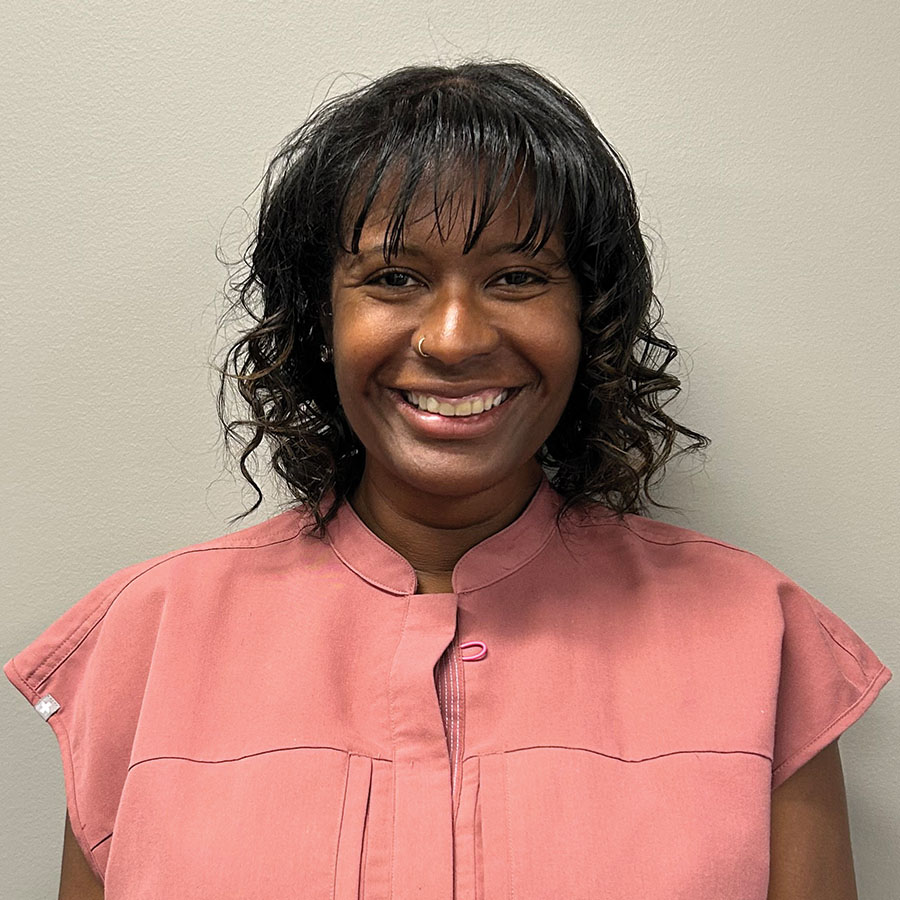


Meet Our Women's Health Team
Our experienced team includes urogynecologists, advanced practice providers, and pelvic floor therapists dedicated to women’s health.
See ProvidersOur Comprehensive Approach to Women’s Health
This is where Virginia Urology Women’s Health stands apart…
We are not just urology; we are a comprehensive pelvic floor specialty center.
We offer a multidisciplinary pelvic floor program, bringing together:
- Urogynecologists
- Urologists
- Specialized nurse practitioners
- Pelvic floor physical therapists
All working together to create a personalized care plan.
This means:
- More accurate diagnosis
- More treatment options
- Better outcomes
You won’t be passed between offices – we coordinate your care in one place.
Treatment Options
We offer the full spectrum of treatments, from conservative to advanced. Your treatment plan is tailored to your symptoms, lifestyle, and goals.
Non-Surgical Treatments
- Pelvic floor physical therapy
- Bladder training
- Lifestyle modifications
- Medications
Surgical Options
- Sling procedures
- Prolapse repair
- Robotic and minimally invasive surgery
Why Choose Virginia Urology for Women’s Health?
Specialized Expertise
Our providers are trained specifically in pelvic floor disorders – not just general women’s health.
Comprehensive Care in One Place
From diagnosis to advanced treatment, everything is coordinated within our practice.
Advanced Technology
We offer the latest therapies, including neuromodulation and minimally invasive procedures.
Proven Patient Outcomes
Patients consistently report life-changing improvements in bladder control, comfort, and confidence.
Frequently Asked Questions
If your symptoms affect your daily life or haven’t improved with basic treatment, it’s time to see a specialist.
They are common, but not something you have to live with.
Not necessarily. Many patients improve with non-surgical treatments.
Most treatments are covered, especially when symptoms affect quality of life.